

Medial Collateral Ligament (MCL) Tears Symptoms & Treatment
A Medial Collateral Ligament (MCL) injury occurs when the ligament on the inner side of the knee is stretched or torn, often from sudden twisting or direct impact. Torn MCL symptoms can include pain along the inner knee, swelling, and difficulty bending or straightening the leg. The severity can range from a mild stretch to a complete tear. MCL injury treatment usually involves rest, ice, compression, elevation, and guided rehabilitation exercises to restore stability and strength. Recovery time depends on the extent of the damage and proper adherence to therapy.
Start with our quick Symptom Assessment or connect directly with an Upswing Coach today.
Request an AppointmentOverview
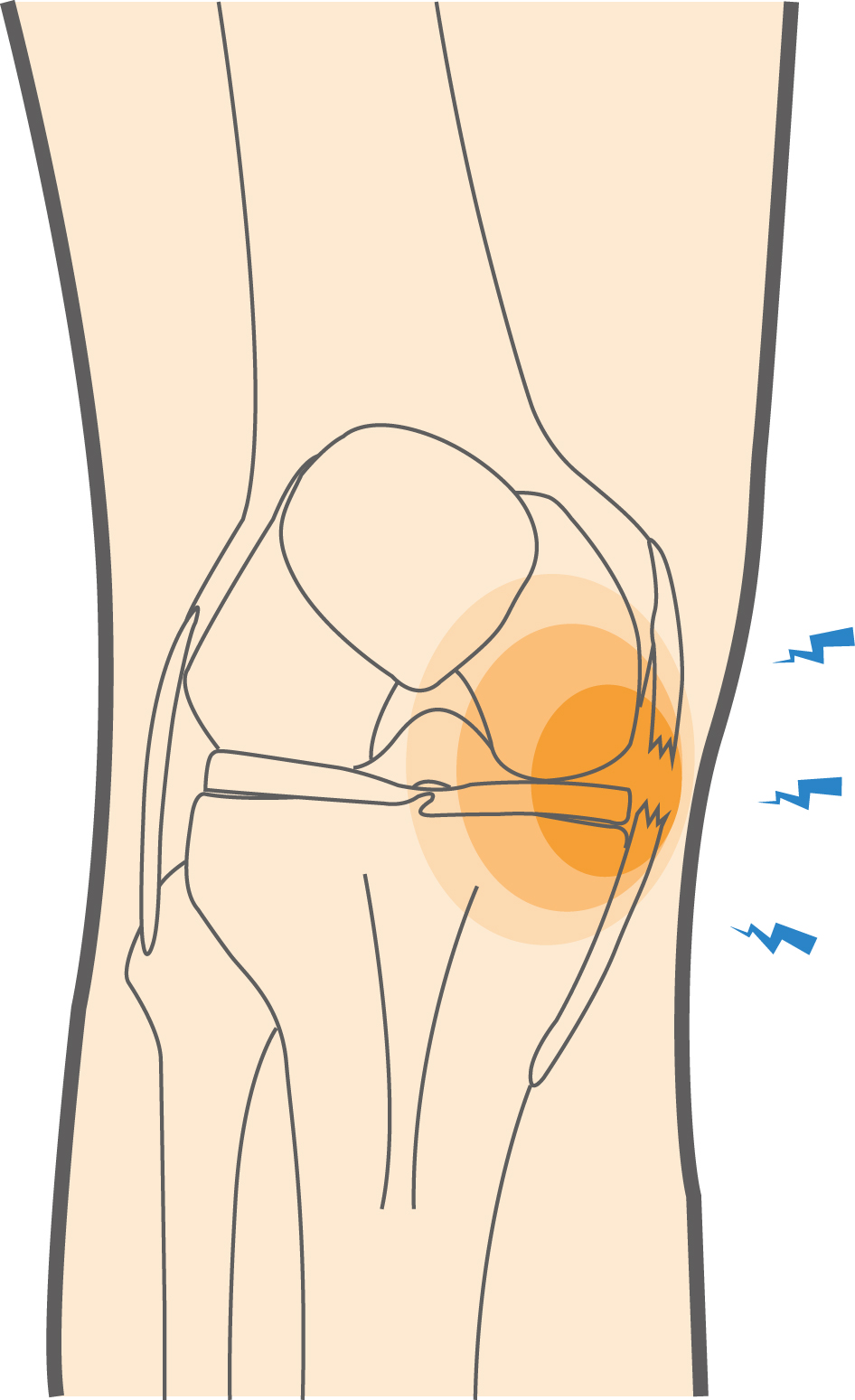
The Medial Collateral Ligament (MCL) is one of the most commonly injured ligaments in the knee. It runs along the inner side of the knee, connecting the thigh bone (femur) to the shin bone (tibia), and plays a key role in stabilizing the knee and preventing it from bending inward too far. When the MCL is injured, it can be stretched, partially torn, or completely torn, depending on the force applied to the knee.
Torn MCL symptoms can include pain along the inner side of the knee, swelling, tenderness, and difficulty bending or straightening the leg.
MCL injuries are classified by grade:
- Grade I: The ligament is stretched but remains intact. Mild pain and minimal swelling are common.
- Grade II: The ligament is partially torn, causing moderate pain, swelling, and some instability in the knee.
- Grade III: The ligament is completely torn, leading to severe pain, significant swelling, and difficulty moving or putting weight on the knee.
MCL injury treatment varies depending on the grade but typically includes rest, ice, compression, elevation, bracing, and guided physical therapy to restore stability, strength, and mobility. In severe cases, surgery may be necessary to repair the ligament.
What causes Medial Collateral Ligament (MCL) Tears?
Tears of the medial collateral ligament (MCL) usually happen when the knee is subjected to a force that pushes it inward while the lower leg is held in place. This type of injury often occurs when the outside of the knee is struck, causing the inner ligament to stretch beyond its normal limit. The ligament may become partially or completely torn depending on the severity of the force.
How the Injury Occurs
An MCL tear often occurs during sudden twisting, pivoting, or direct collisions that push the knee inward. The ligament can become partially or fully torn when the stress exceeds the strength of the tissue. Even a small misstep or awkward movement during sports or physical activity can result in an injury, especially if the knee is already under strain from previous activity.
Common Sports-Related Causes
MCL tears are particularly common in sports that involve rapid changes in direction, high impact, or direct contact.
MCL tears are common in these sports:
- Football: Tackling, blocking, or landing awkwardly can cause the knee to bend inward.
- Hockey: Collisions with other players or the boards often stress the inner knee ligaments.
- Rugby: Direct hits and tackles can easily overstretch the MCL.
- Soccer: Quick pivots, sudden stops, or player-to-player contact can lead to ligament injuries.
- Wrestling: Twisting motions, throws, and holds place extra stress on the inner side of the knee.
Understanding how MCL injuries occur can help athletes, coaches, and trainers take steps to prevent them and recognize early symptoms for timely treatment.

Symptoms
Athletes or active individuals who experience a medial collateral ligament (MCL) injury often report pain on the inner side of the knee. This pain is typically noticed during twisting, pivoting, or cutting movements and can make sports and daily activities uncomfortable. The severity of the pain often reflects the extent of ligament damage.
Other common torn MCL symptoms include:
- Pain on the inside of the knee with movement: Activities that require sudden changes in direction or bending can trigger sharp discomfort along the inner knee.
- Stiffness: Difficulty fully straightening or extending the leg may occur, limiting normal knee mobility.
- Looseness or instability: The knee may feel unstable or give way, particularly when walking on uneven surfaces or performing weight-bearing activities.
Proper MCL injury treatment depends on the grade of the tear, ranging from conservative care such as rest, ice, compression, elevation, and physical therapy to more intensive interventions in severe cases. Early recognition of symptoms and timely management help reduce the risk of long-term knee instability and ensure the ligament heals properly.

When to see a doctor
If you experience an injury or trauma to your knee and notice symptoms such as pain along the inner side of the knee, it is important to schedule an appointment with an orthopedic specialist. During your visit, the doctor will carefully examine your knee to check for damage to the ligaments, including the medial collateral ligament (MCL).
Your doctor will also perform specific physical tests, such as the valgus stress test, which helps determine the severity of the MCL injury and how much the ligament has been stretched or torn. This test is a critical step in understanding the extent of the injury and planning the most appropriate treatment.
To confirm the diagnosis and assess the overall condition of the knee, imaging tests may be recommended:
- X-rays: These are used to rule out fractures in the bones of the leg or other structural damage.
- MRI (Magnetic Resonance Imaging): This scan provides a detailed view of the soft tissues in the knee, including the MCL, other ligaments, and surrounding muscles. It helps the doctor determine the severity of the tear and check for additional injuries that may need treatment.
Early evaluation and accurate diagnosis are essential for proper MCL injury treatment, preventing further damage, and supporting a safe recovery.

Non-operative treatment
Most medial collateral ligament (MCL) tears can be managed successfully with conservative, non-operative treatments. Immediately after the injury, the primary goal is to reduce pain, swelling, and inflammation while protecting the knee from further damage.
Initial care typically includes:
- Resting the leg: Avoid putting weight on the injured knee. Crutches or a knee immobilizer may be used for a short period to help the ligament heal.
- Applying ice: Icing the knee periodically throughout the day helps control swelling and relieve discomfort.
- Taking non-steroidal anti-inflammatory medications (NSAIDs): Medications such as ibuprofen can help reduce both pain and inflammation in the early stages.
As swelling and pain begin to improve, your doctor will usually recommend starting a physical therapy program. A licensed physical therapist or Athletic Trainer will guide you through exercises designed to gradually stretch and strengthen the knee, improve flexibility, and restore proper stability. This step is crucial for preventing stiffness and regaining normal movement in the knee joint.
Below is a PDF of the Exercise Program

Surgical Treatment
Surgery for a medial collateral ligament (MCL) sprain or tear is rarely necessary because the ligament often heals naturally with proper non-operative care. Most MCL injuries, even partial or moderate tears, can recover fully with rest, bracing, and physical therapy.
Surgical intervention is usually considered only in more complex cases, such as when other ligaments or structures within the knee are also injured, or when the MCL fails to heal properly with conservative treatment. In these situations, surgery may involve repairing or reconstructing the ligament to restore knee stability and function.
Even when surgery is required, it is typically followed by a structured rehabilitation program that includes physical therapy to regain strength, flexibility, and balance in the knee. Early diagnosis and careful management help ensure the best possible outcome and reduce the risk of long-term instability or repeated injuries.

Recovery
The time it takes to recover from an Medial Collateral ligament (MCL) tear depends largely on the severity and grade of the injury. Recovery timelines can vary from a few weeks for mild injuries to several months for more severe tears.
- Grade I: Mild stretching of the MCL usually takes about three weeks to heal. During this time, rest, protection, and gentle exercises help the ligament recover.
- Grade II: Partial tears of the MCL may take three to six weeks to fully heal. Physical therapy is typically recommended to restore strength, flexibility, and stability to the knee.
- Grade III: Complete tears of the MCL are more serious and can take six weeks to three months for full recovery. A structured rehabilitation program, sometimes including bracing, is essential to regain normal knee function.
You can generally return to sports or physical activity once you have regained full range of motion and strength, can move the knee without pain along the inner side, and have clearance from your doctor. Even after recovery, wearing a supportive knee brace during high-risk activities is often recommended to protect the knee and reduce the chance of re-injury. Following a careful recovery plan helps ensure long-term knee stability and a safe return to activity.

Dr. Jay Kimmel is a board-certified orthopedic surgeon specializing in sports medicine, arthroscopic surgery, and shoulder and knee disorders. He completed his orthopedic training at New York-Presbyterian/Columbia University Medical Center and a Sports Medicine Fellowship at Temple University.
Dr. Kimmel previously served as the Director of the Connecticut Sports Medicine Institute at Saint Francis Hospital and has held faculty appointments as Clinical Assistant Professor in the Departments of Orthopedics and Family Medicine at the University of Connecticut. He has extensive experience caring for athletes as a team physician for high school and collegiate programs and continues to teach in the athletic training departments at Westfield State University and Springfield College.
Find the Support You Need — Right When You Need It
Whether you’re managing pain for the first time, need ongoing guidance, or require expert medical care, we’re here to help you every step of the way.
ORTHO DIRECT
Video visit with an orthopedic doctor for advice and a care plan.
$30
/MonthMRI DIRECT
Fast, affordable MRI with orthopedic review. No insurance required.
$499
/MonthFrequently Asked Questions
Can I walk with a torn MCL?
Walking may be possible with a torn MCL, but it can be painful, and the knee may feel unstable. Avoiding weight-bearing activities until evaluated by a doctor is important to prevent further damage. Using crutches or a knee brace can provide support while moving.
Do all MCL tears require surgery?
No. Most MCL tears heal successfully with non-surgical treatments such as rest, ice, bracing, and physical therapy. Surgery is usually reserved for severe cases where other ligaments are injured or when the MCL fails to heal properly with conservative care.
How long will I need to wear a knee brace after an MCL tear?
The duration depends on the severity of the injury. Mild tears may require a brace for only a few weeks, while more serious injuries or complete tears might need a brace for several weeks during activity to support the knee and prevent re-injury.
Can I prevent future MCL injuries once I’ve recovered?
Yes. Strengthening exercises, proper warm-ups before sports, wearing supportive gear, and following a structured rehabilitation plan can reduce the risk of future injuries. Maintaining flexibility and knee stability is key to protecting the medial collateral ligament over the long term.